




President Ferdinand R. Marcos Jr. spearheaded a series of initiatives over the week to safeguard energy security and maintain momentum on crucial development programs amid escalating tensions in the Middle East.
Marcos’ activities reflected a dual-track approach — responding to immediate global risks, particularly on fuel supply and the welfare of overseas Filipino workers (OFWs), while advancing infrastructure, agriculture, and policy reforms aimed at attaining long-term growth.
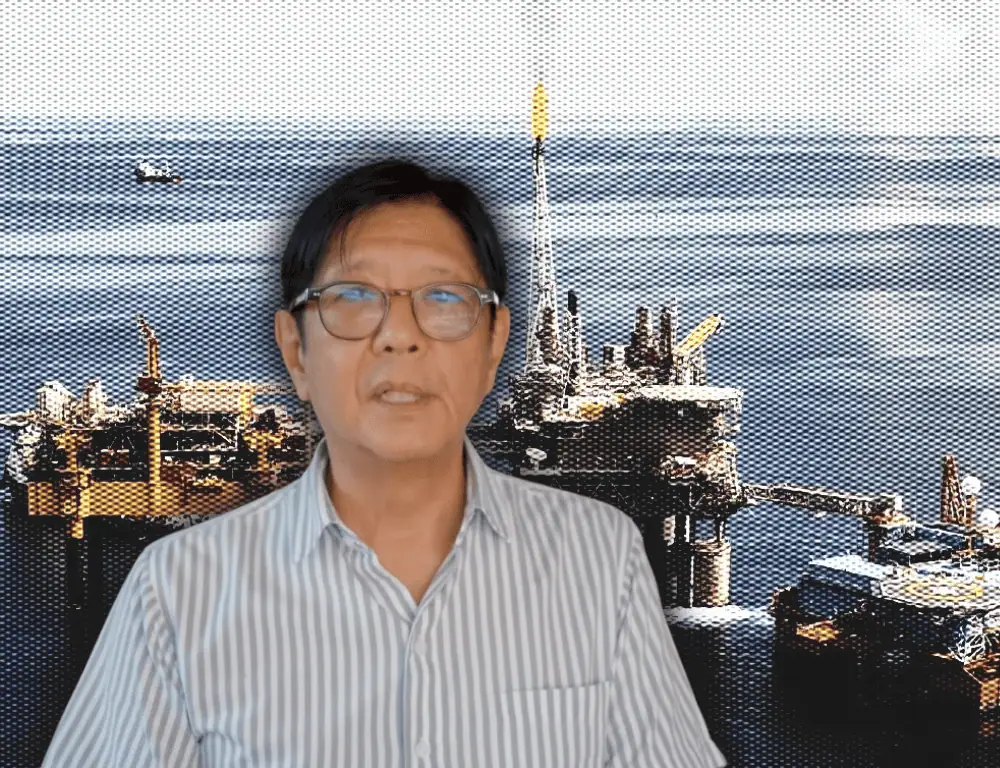
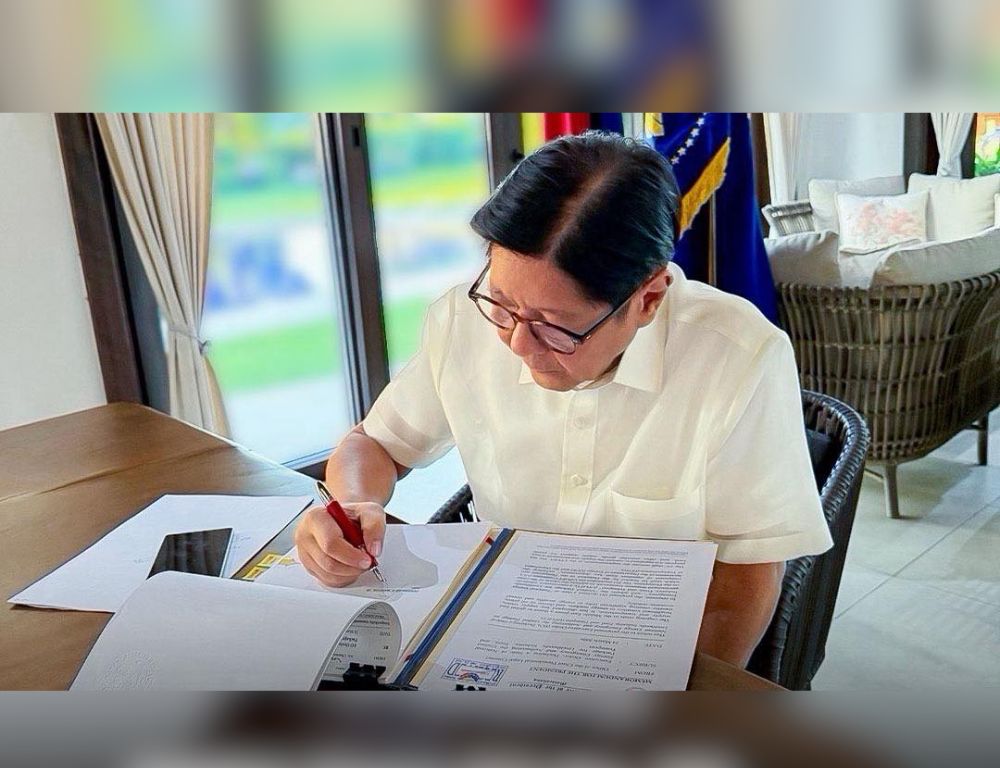
As geopolitical tensions in the Middle East continue to threaten global oil supply, Marcos moved to protect the country from potential disruptions by declaring a state of national energy emergency through the issuance of Executive Order (EO) 110 on March 24.
The decision was anchored on the Philippines’ heavy reliance on imported fuel and the risks posed by constrained global supply chains.
EO 110 orders the adoption of the Unified Package for Livelihoods, Industry, Food and Transport (UPLIFT) framework to ensure the availability of domestic energy supply, uninterrupted delivery of essential services, continuity of economic activity, and protection of vulnerable sectors.
Energy security, proactive measures
Marcos emphasized the need for proactive measures to ensure the stability and adequacy of energy resources, as volatility in global oil prices continues to affect domestic markets.
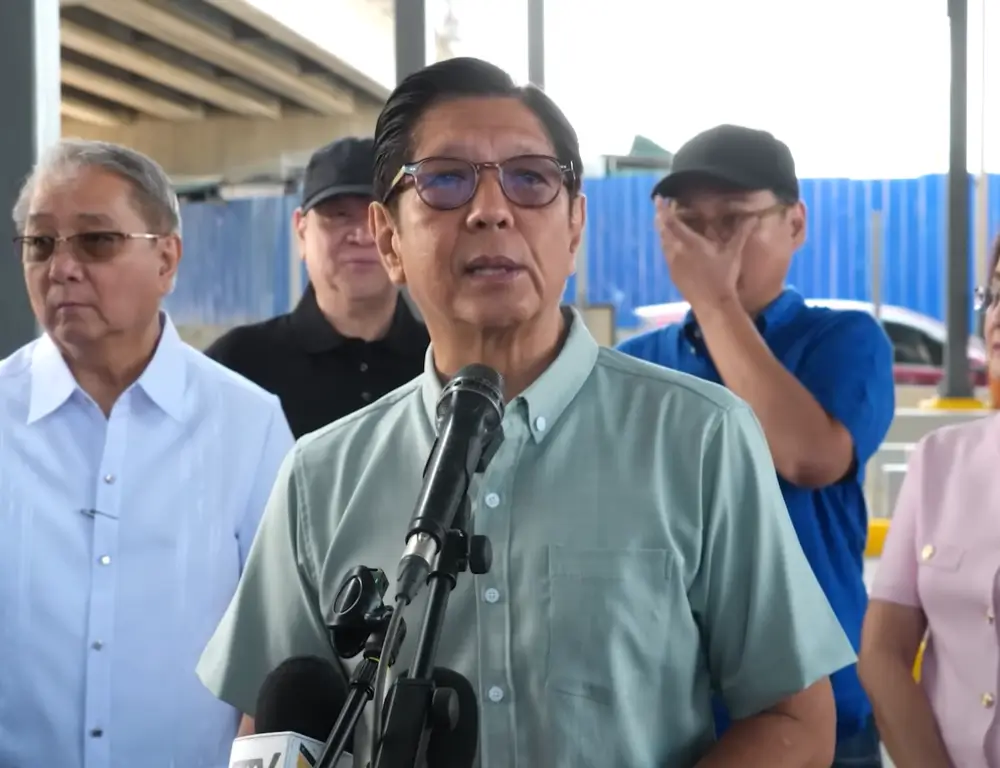
Also on March 24, to cushion the impact of rising fuel prices on vulnerable sectors, Marcos led the initial rollout of fuel subsidies for public utility vehicle drivers and operators at Parañaque Integrated Terminal Exchange.
The initiative, with a PHP2.5-billion fund, is part of the Department of Transportation’s Fuel Subsidy Project, which provides direct financial assistance aimed at easing the burden of rising fuel costs on the transport sector.
Under the program, each bus operator will receive PHP10,000, while drivers are entitled to PHP5,000 each, with payments distributed through checks, fuel cards, and other channels.
On March 25, Marcos delivered an address to the nation to provide a comprehensive explanation on his decision to declare an energy emergency and update the public on the government’s continuing efforts to mitigate the effect of the Middle East crisis on the country.
Marcos called on Filipinos to remain united and vigilant, emphasizing the value of bayanihan (teamwork) in times of uncertainty.
In his vlog uploaded on March 22, Marcos urged the public to be responsible in sharing information, particularly amid the rapid spread of misinformation during crisis.
Protecting OFWs’ welfare
Ensuring the welfare of Filipinos abroad remained a top priority.
On March 23, Marcos welcomed a new batch of repatriated OFWs from the Middle East, assuring them of the government’s continued support.
A total of 343 repatriates, comprising 317 OFWs and 26 dependents from Kuwait, Bahrain, Qatar and Saudi Arabia, landed at Villamor Air Base in Pasay City around 6:30 a.m. aboard a chartered flight operated by flag carrier Philippine Airlines.
The returning OFWs and their families were provided with financial assistance, medical services and psychosocial support as part of the government’s reintegration efforts.
Infrastructure push continues
Even as the administration addressed the immediate effects of global tensions, it sustained its push for infrastructure development to boost connectivity and economic activity.
Among the key milestones was the completion of the long-delayed Atlu Bola Bypass Road in Mabalacat, Pampanga, which is expected to ease traffic congestion and improve mobility in Central Luzon.
Marcos also directed the release of PHP145.56 billion for the Central Mindanao High Standard Highway Project, ensuring continuous funding from 2026 to 2034 to enhance regional connectivity and spur economic growth in Mindanao.
On Friday, Marcos inaugurated the new westbound off-ramp of Ninoy Aquino International Airport Expressway along Andrews Avenue leading to Terminal 3 in Pasay City.
The new off-ramp is expected to reduce travel time by 15 to 25 minutes for motorists coming from SLEX (South Luzon Expressway), Skyway Stage 3 and Lawton Avenue, especially during peak hours.
Boosting agriculture, food security
To ensure food security and uplift farmers’ living condition, Marcos inspected on March 23 the solar-powered irrigation projects in Camarines Sur that will benefit over 1,800 farmers in Minalabac and Bula towns.
The projects, with an estimated value of PHP332 million, are expected to lower operational costs and increase farmers’ productivity and income.
The two solar-powered projects initiated by the National Irrigation Administration include the PHP126.7-million Solar Pump Irrigation Project by the San Agustin-San Ramon Agrarian Reform Farmers’ Cooperative in Bula; and the PHP205.46-million New MASSBA Solar Pump Irrigation Project (Phase I) in Minalabac.
Marcos likewise visited the Bicol Mega Cold Storage and Vegetable and Fruit Processing Facility in Pili municipality, reaffirming his administration’s commitment to strengthening the country’s agricultural value chain.
The Mega Cold Storage features six refrigerated warehouse rooms for commodities, one room for preparation, a two-ton blast freezer and a solar power system to protect agricultural commodities.
It can store over 200,000 tons annually and is expected to benefit more than 200,000 farmers and farmers cooperatives and associations in the Bicol Region, Visayas and Mindanao.
On March 26, Marcos inspected a multi-purpose drying pavement and onion cold storage facility storage in Ramon, Isabela, a project expected to strengthen the agricultural sector and provide a more efficient post-harvest system.
Education reforms, Marawi rehab
Further advancing his administration’s development agenda, Marcos, on March 22, approved key reforms in the education sector, including the shift to a three-term academic calendar beginning Academic Year 2026 to 2027.
The move aims to address learning disruptions caused by natural hazards and other interruptions by providing more structured instructional and assessment periods.
Meanwhile, Marcos ordered a renewed push to accelerate the long-delayed rehabilitation of Marawi City, emphasizing the need to fast-track infrastructure projects and restore livable communities under the government’s recovery program.
The Reconstruction and Development Plan for a Greater Marawi Stage 2 aims to restore transport, energy and water infrastructure, and rebuild livable communities, including the construction of 26.59 kilometers of roads, bridges, drainage systems, and slope protection under the Bangon Marawi Comprehensive Rehabilitation and Recovery Program.