




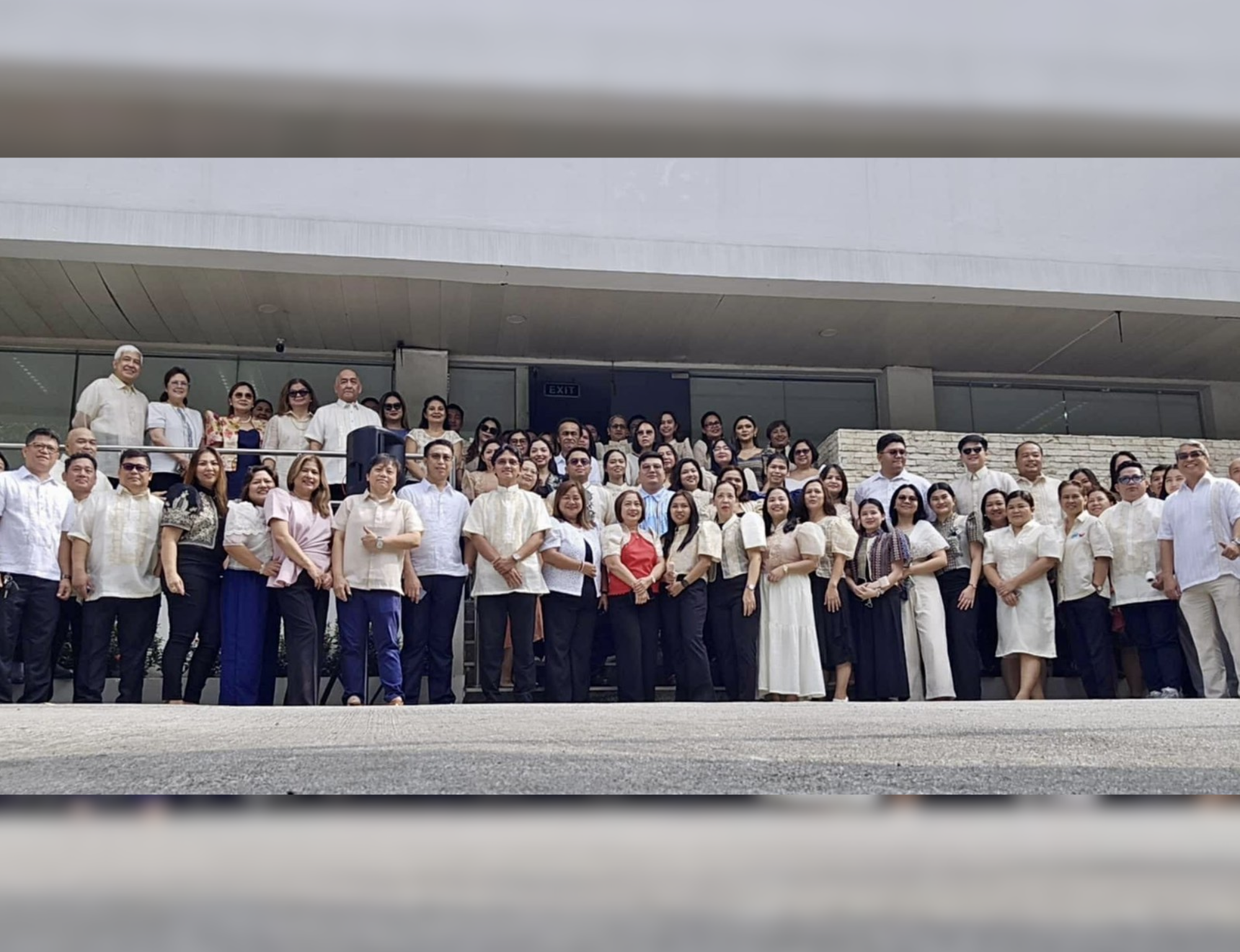
At the Intercontinental Broadcasting Corporation (IBC), 2025 was not defined by a single headline.
There were major developments underway, efforts toward modernization, the creation of new programs, and long-awaited steps such as the settlement of overdue retirement benefits for former employees. These are the kinds of milestones that tend to shape public perception.
But alongside these larger initiatives, there was another story unfolding—one that is less visible, but just as telling.
Inside the network, the year moved through a steady rhythm of everyday decisions, workplace improvements, and ongoing engagement between management and employees.
Leading these efforts is President and CEO Jimmie Policarpio, together with the Board of Directors chaired by Atty. Noel Malaya, and members Ms. Cathy Vilar, Ms. Jennifer Jurado, Atty. Bob Ferrer, Atty. Mike Damaso, and Atty. Alexis Suarez, with General Manager Koy Reboroso overseeing operations.
What emerges is not just a picture of leadership, but of how that leadership translates into the day-to-day.
Keeping the Workplace Running
The push for modernization and new programming reflects a broader effort to reposition IBC in a changing media landscape. Addressing long-standing obligations—such as the release of retirement benefits—also points to an attempt to resolve issues that have affected employees beyond their years of service. These initiatives have been made possible with the continued support of President Ferdinand Marcos Jr., together with members of the Senate and House of Representatives, as well as the Presidential Communications Office, whose support we are gratefully acknowledged.
These are not minor undertakings. They require coordination, resources, and time.
Yet even as these larger initiatives moved forward, attention remained on the smaller, more immediate aspects of the workplace.
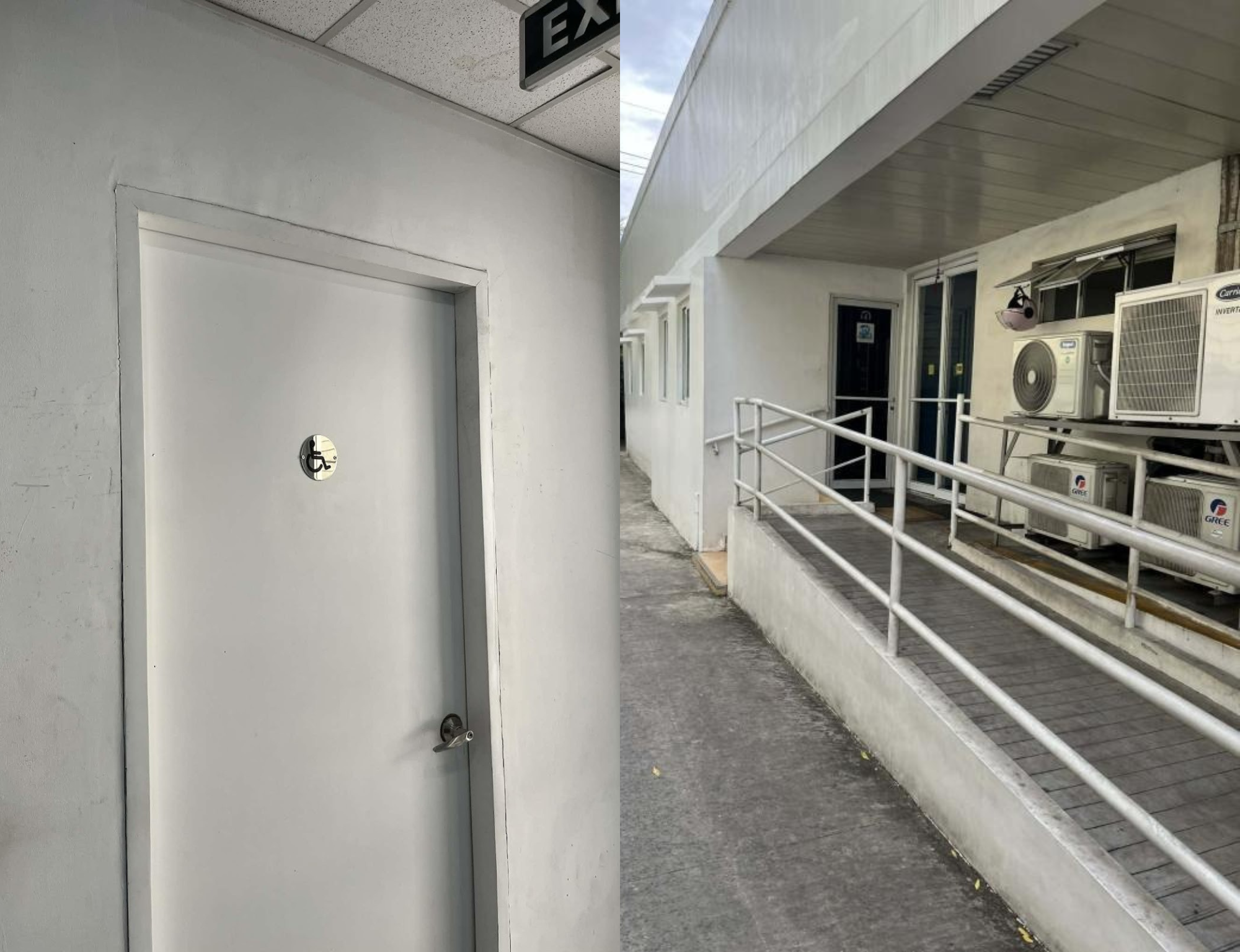
Some of the most consistent efforts focused on the basics: maintaining clean and usable shared spaces, encouraging responsible energy use, and making sure facilities, from comfort rooms to air-conditioning systems—were working as they should.
These are the kinds of concerns that rarely make it into reports but directly affect how people experience their workday. Addressing them meant regular coordination between departments and a willingness from management to respond to feedback coming from the ground.
Environmental initiatives also found their way into the calendar. Employees were encouraged to take part in activities like tree planting and waste retrieval—small contributions, but ones that connected the workplace to broader environmental concerns.
Health and safety became a recurring focus throughout the year, shaped largely by external conditions.
During periods of extreme heat, employees were given guidance on how to stay safe while working. As respiratory illnesses began circulating more widely, reminders on preventive measures followed. Access to flu vaccines was also made available through coordination with government partners.
At the same time, there were subtle adjustments meant to make daily work more manageable. A more relaxed dress approach during the workweek, for instance, reflected a practical response to both climate and comfort—something employees could immediately feel.
These weren’t sweeping reforms, but they showed an awareness of how broader conditions affect people inside the workplace.
Learning as Part of the Work
Training sessions throughout the year focused on new technology, new multi-media landscape, readiness, first aid, life-saving skills, and fire safety.
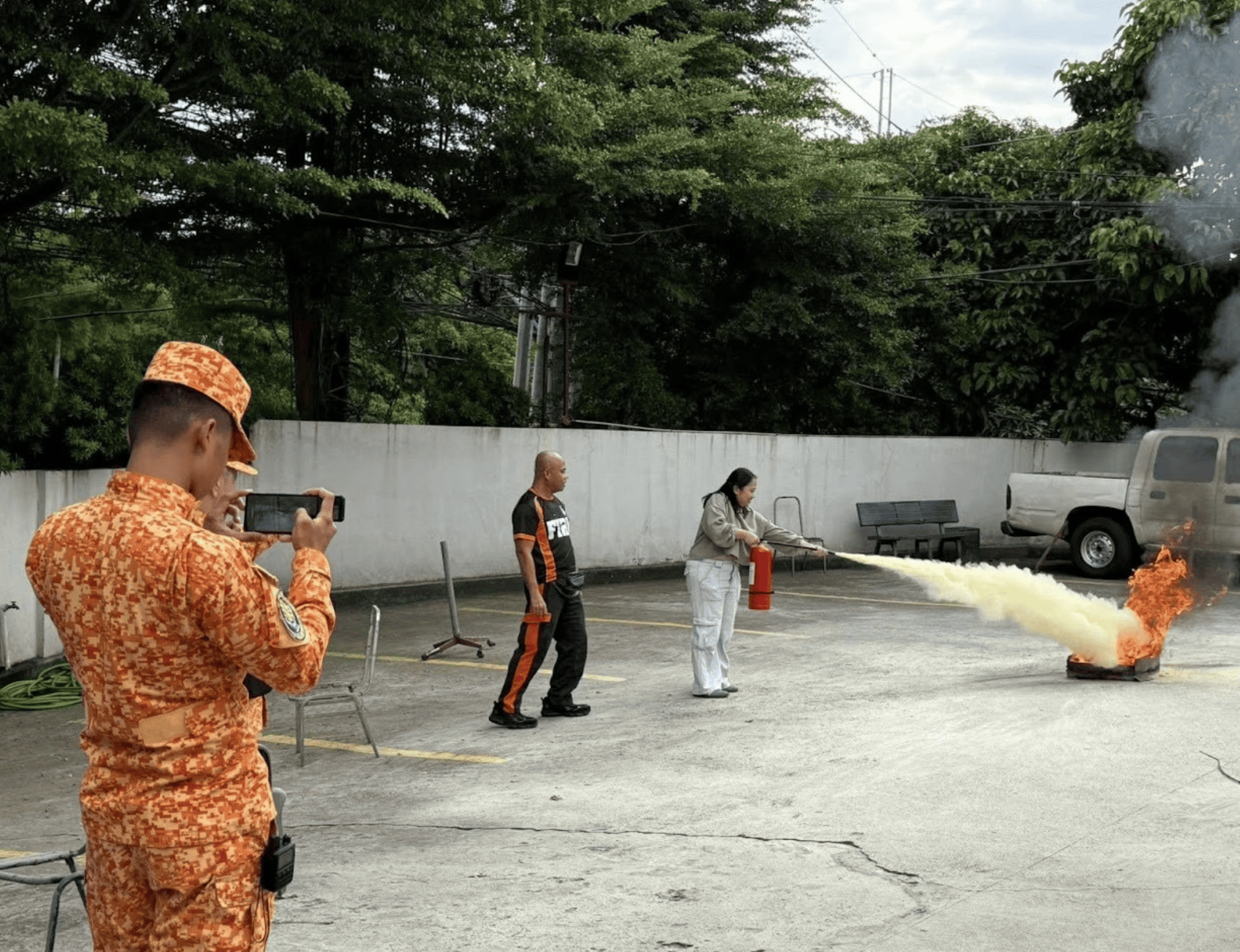
Participation wasn’t just encouraged; it was expected. The idea was simple: in a workplace as dynamic as broadcasting, being prepared matters just as much as being skilled.
One of the more visible threads throughout the year was the focus on training, not just as a requirement, but as part of keeping the workforce adaptable.
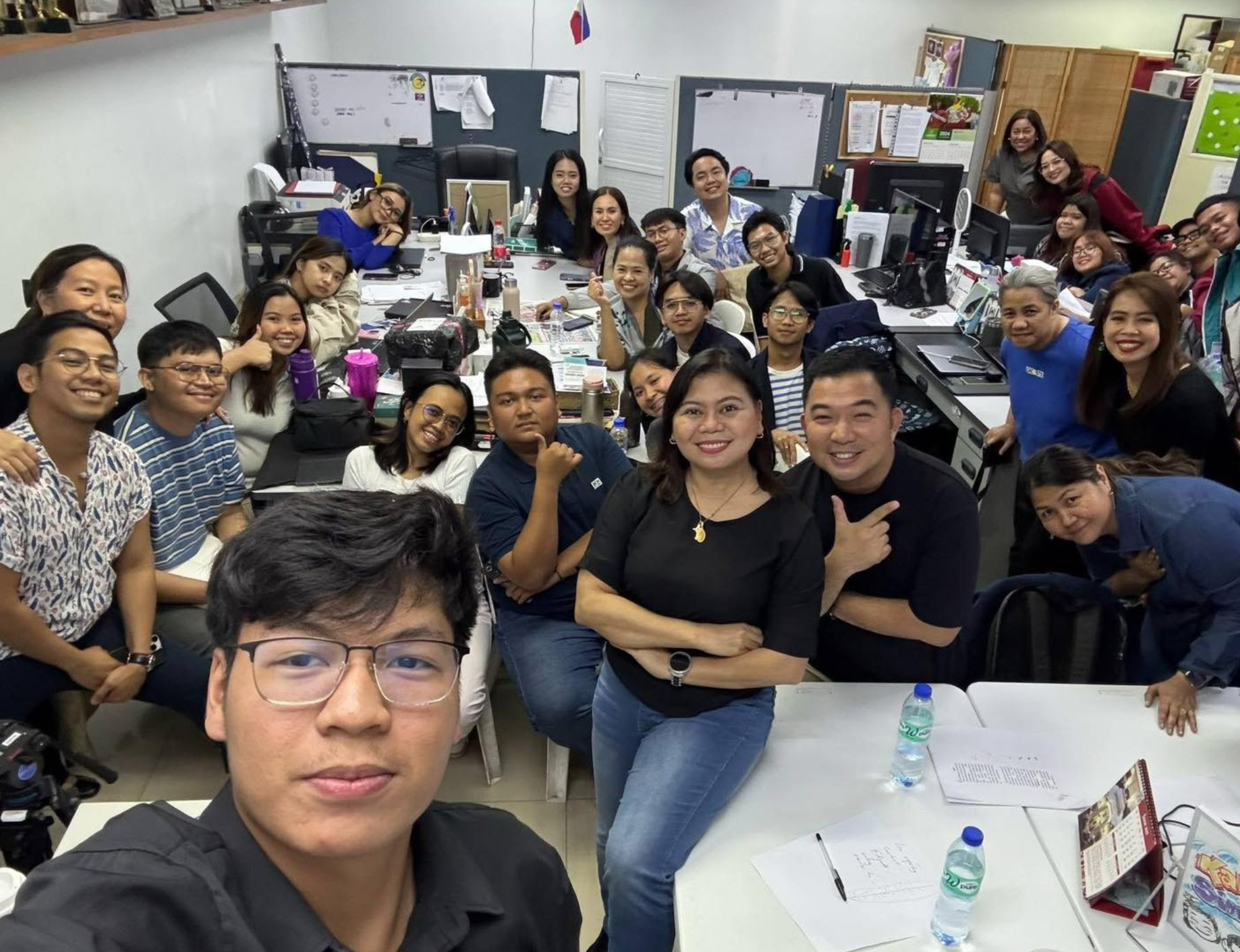
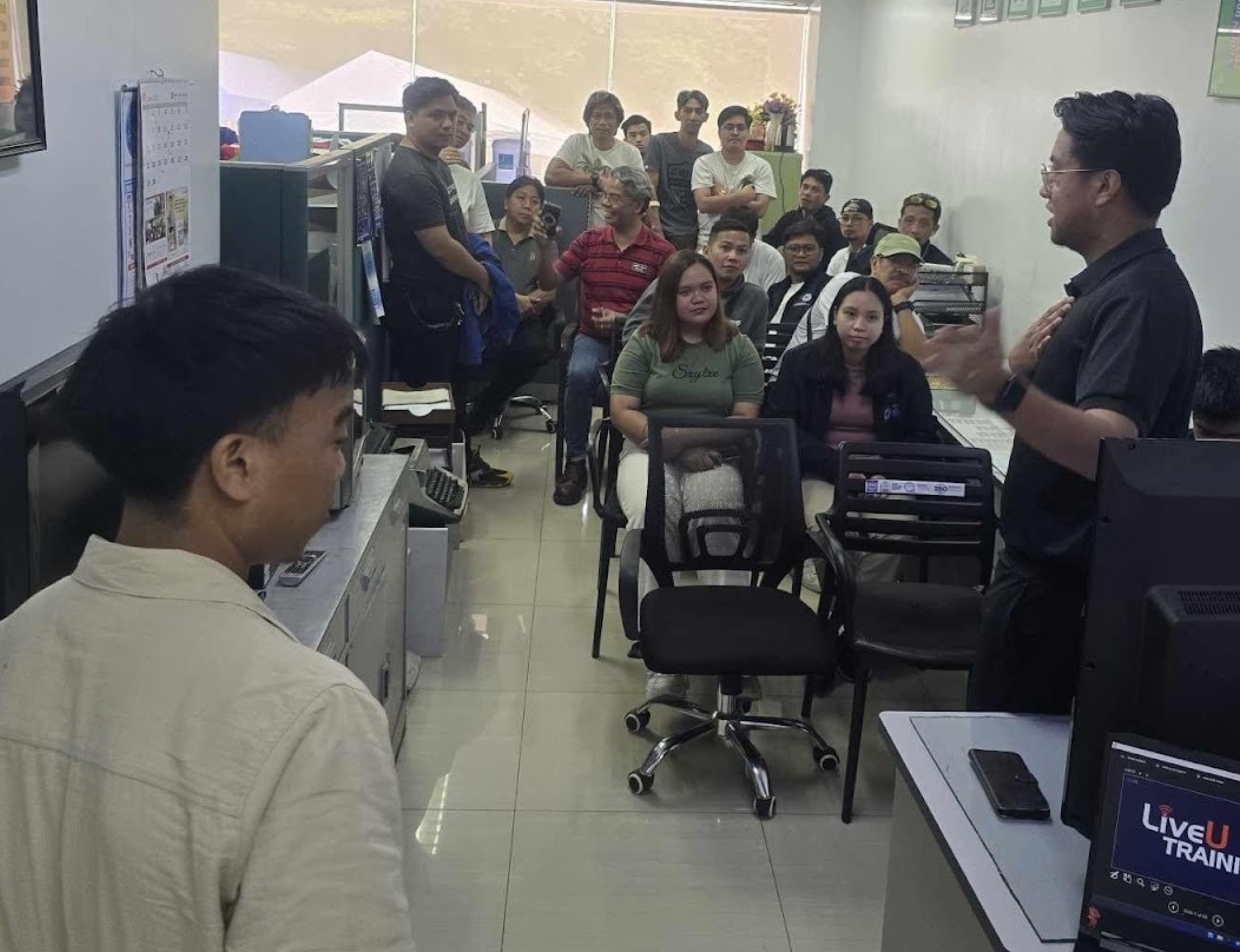
Employees and officers took part in sessions aimed at strengthening both technical and editorial skills. These included training in news writing, reporting, camera angling, and video editing—core competencies in broadcasting that require constant refinement.
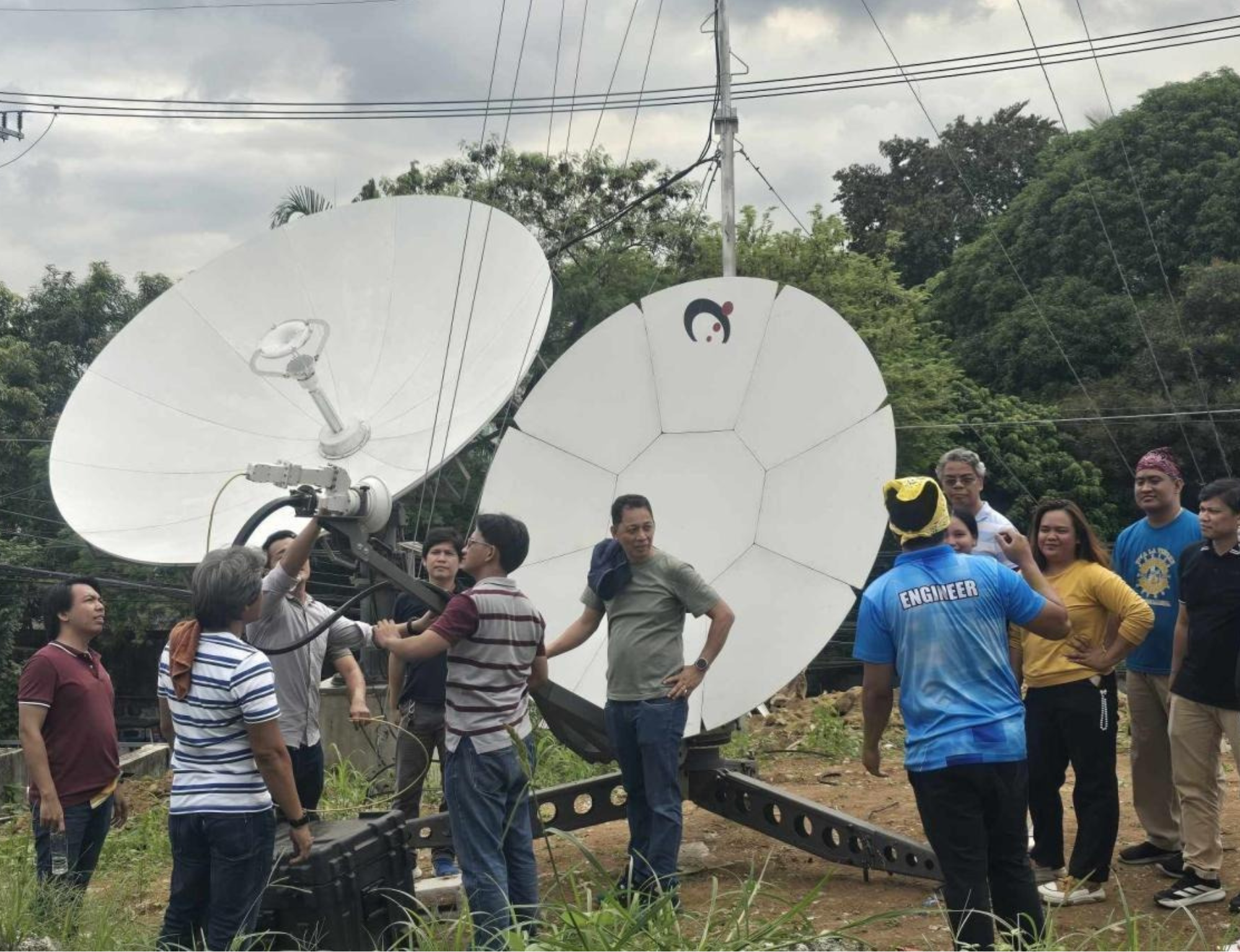
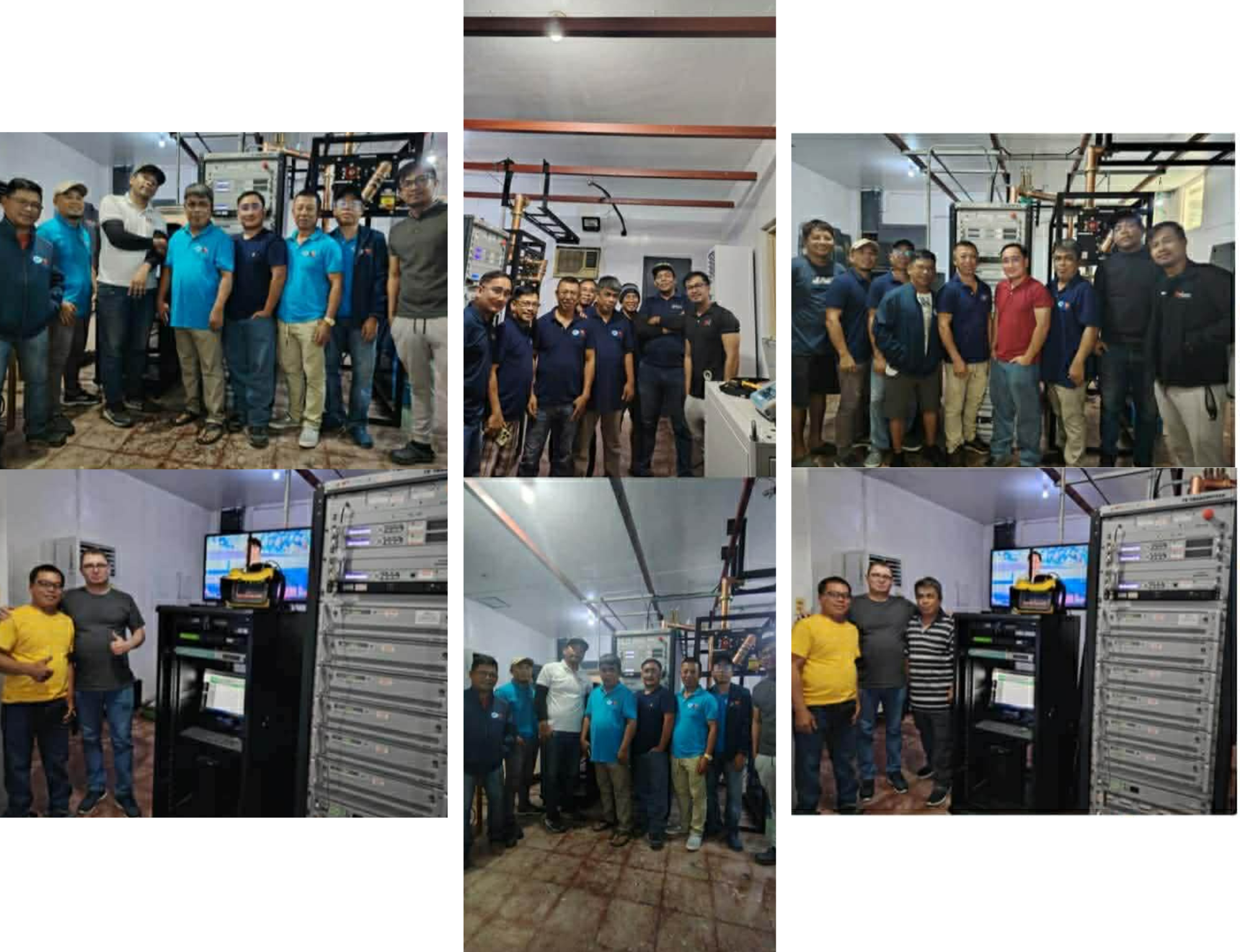
There were also more specialized programs, such as Digital Terrestrial Television (DTT) and Satellite Uplink training, helping staff stay aligned with evolving broadcast technologies, as well as procurement and leadership training designed for those handling administrative and managerial responsibilities.
Beyond technical skills, there were also efforts centered on gender and development (GAD). These included seminars on equality, inclusivity, and workplace awareness topics that are often discussed in policy, but require continuous engagement to be meaningful in practice.

Taken together, these sessions reflect an understanding that the work doesn’t stand still and neither can the people doing it.
In addition, there were also opportunities for learning beyond the organization. When engineering students visited IBC, it offered a rare look into the technical side of broadcasting, while also allowing employees to share their own experience with a new generation.
Finding Space for Community
Even within a structured work environment, there were efforts to carve out space for lighter moments.
Seasonal activities like Halloween and Christmas gatherings brought employees together in a different setting—less about deadlines, more about interaction. These events were intentionally modest, reflecting broader calls for austerity in government offices, but still meaningful in maintaining a sense of community.

There were quieter moments too. A day of prayer during the visit of Our Lady of La Naval gave employees a chance to pause—something not often built into a typical work schedule.
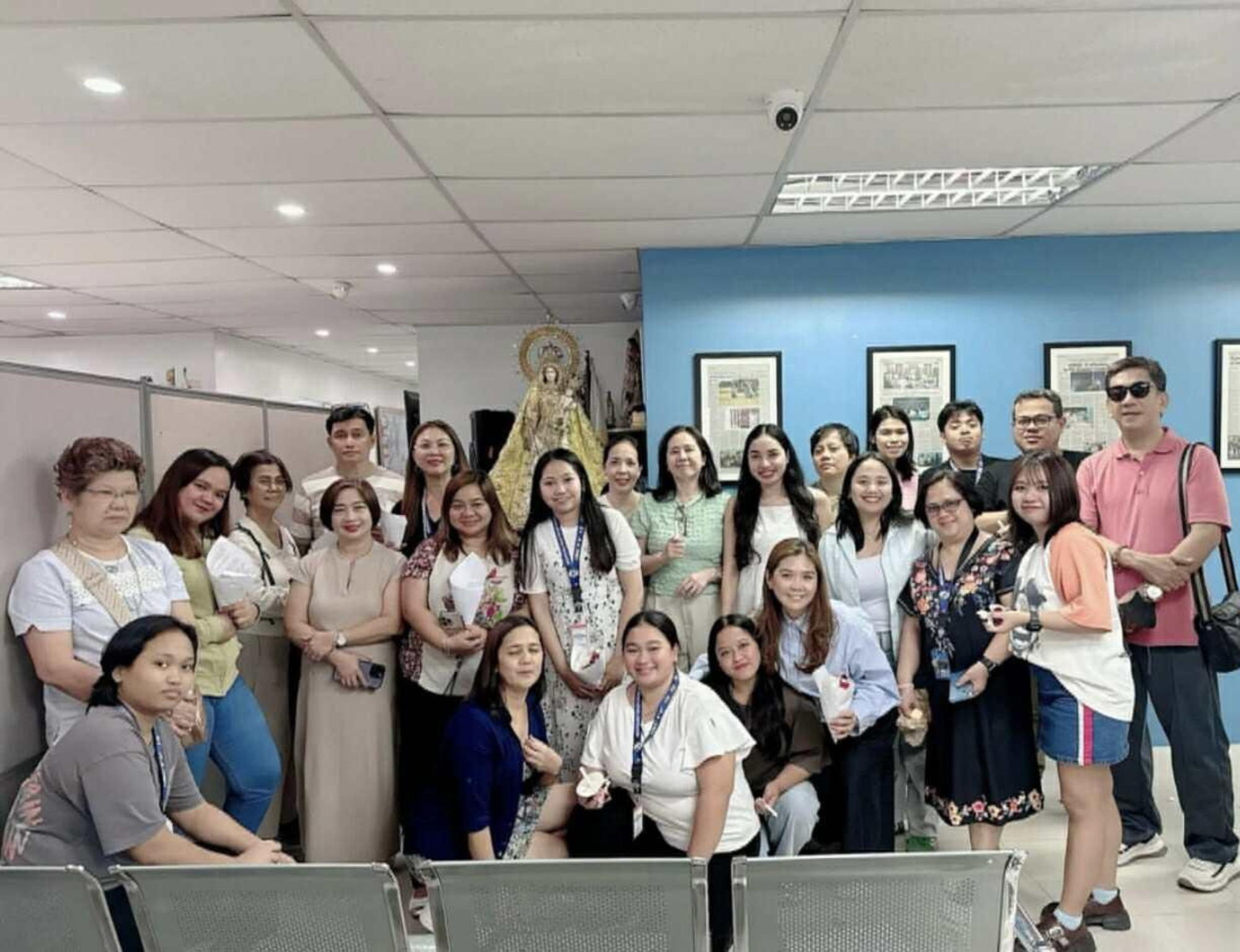
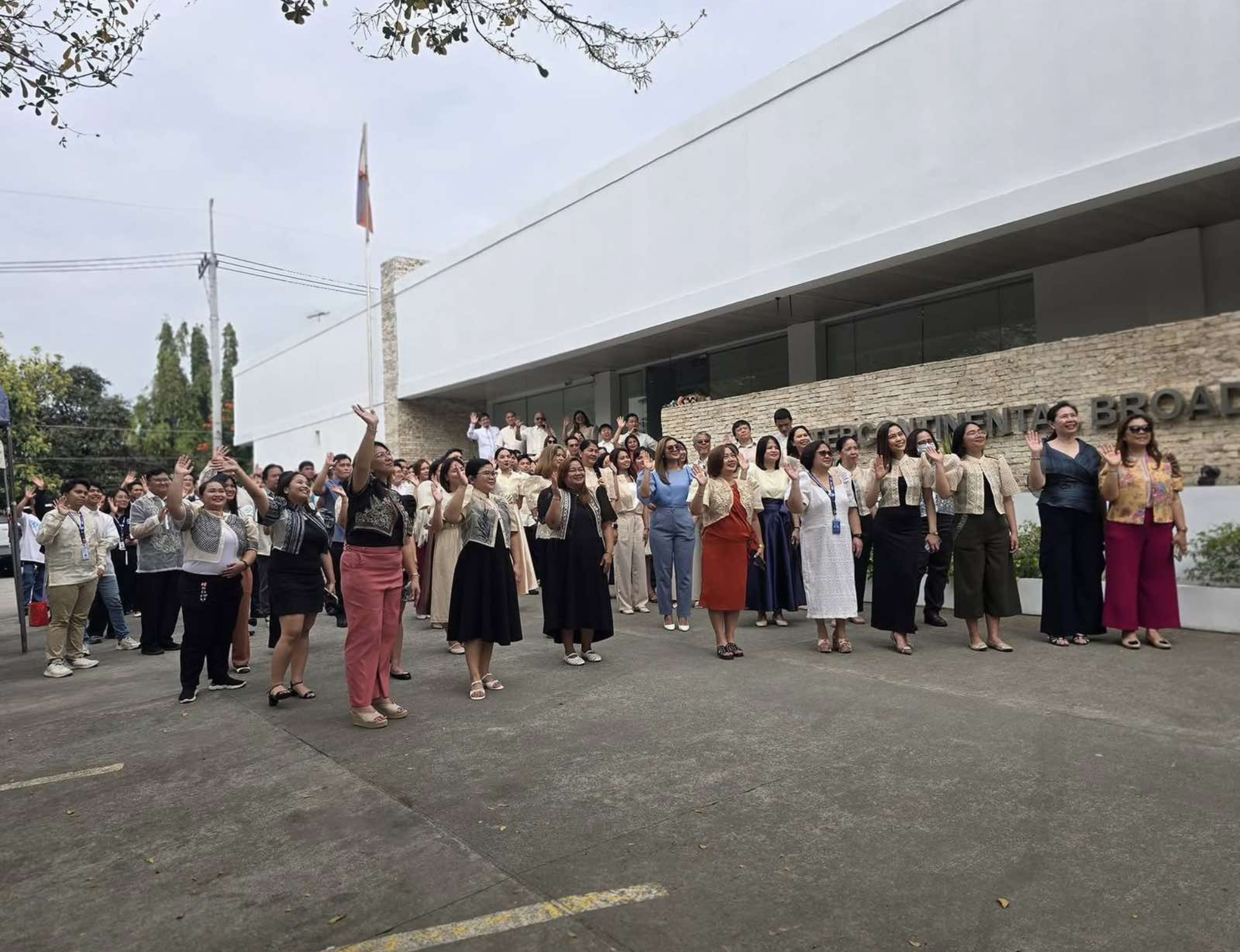
Away from formal settings, a different side of the organization becomes visible. Gatherings like this show employees not as roles or titles, but as individuals taking a break, celebrating, and sharing space with colleagues.
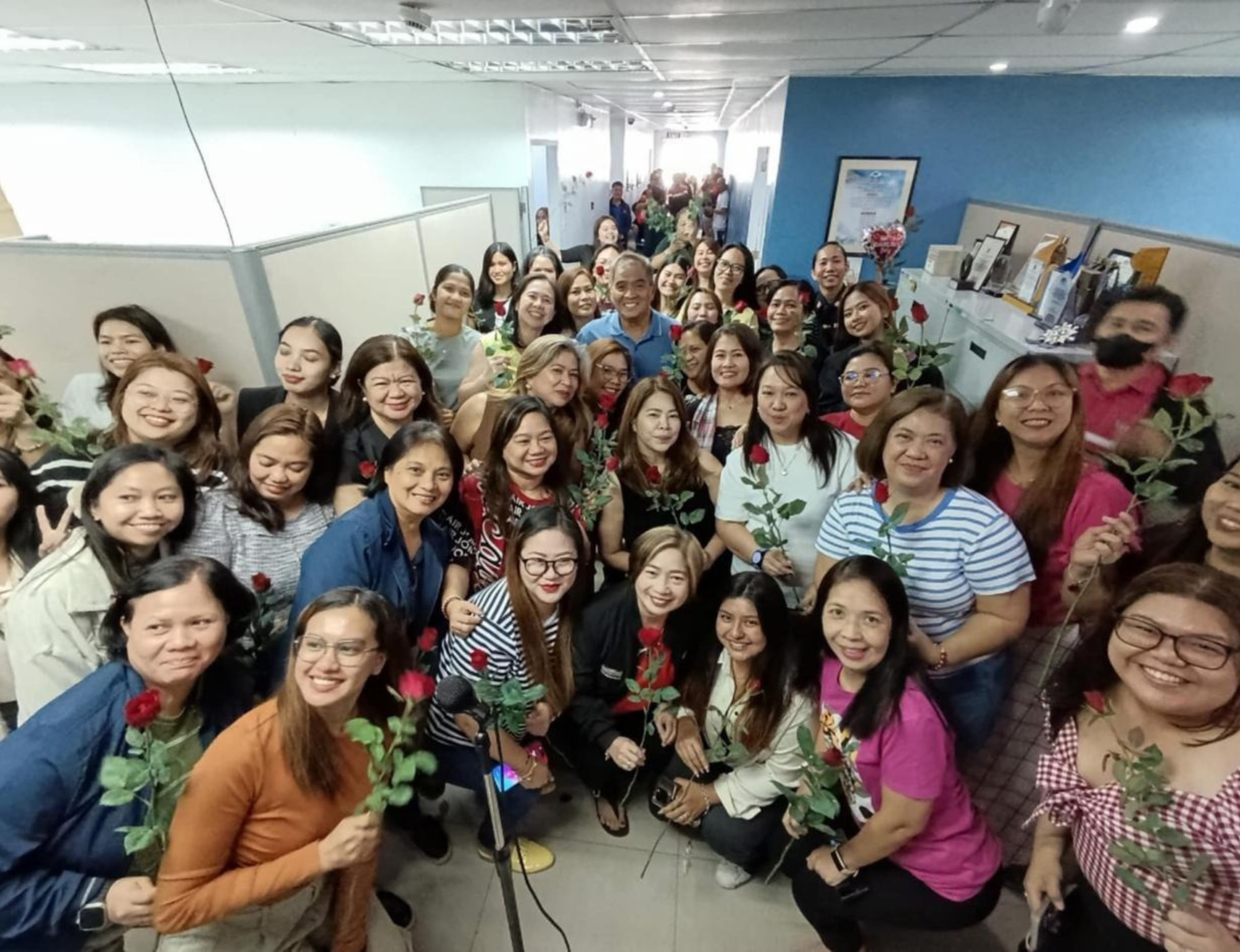
It’s a reminder that behind every broadcast, there is a workforce navigating both the demands of the job and the everyday realities of working together.
A Different View of Leadership
For employees, leadership is often measured not just by directives, but by visibility and engagement.
Throughout the year, management made efforts to stay connected—whether through workplace initiatives, participation in activities, or simply being present. It wasn’t always formal, and it didn’t always require large-scale programs. Sometimes, it comes down to listening, responding, and showing up.
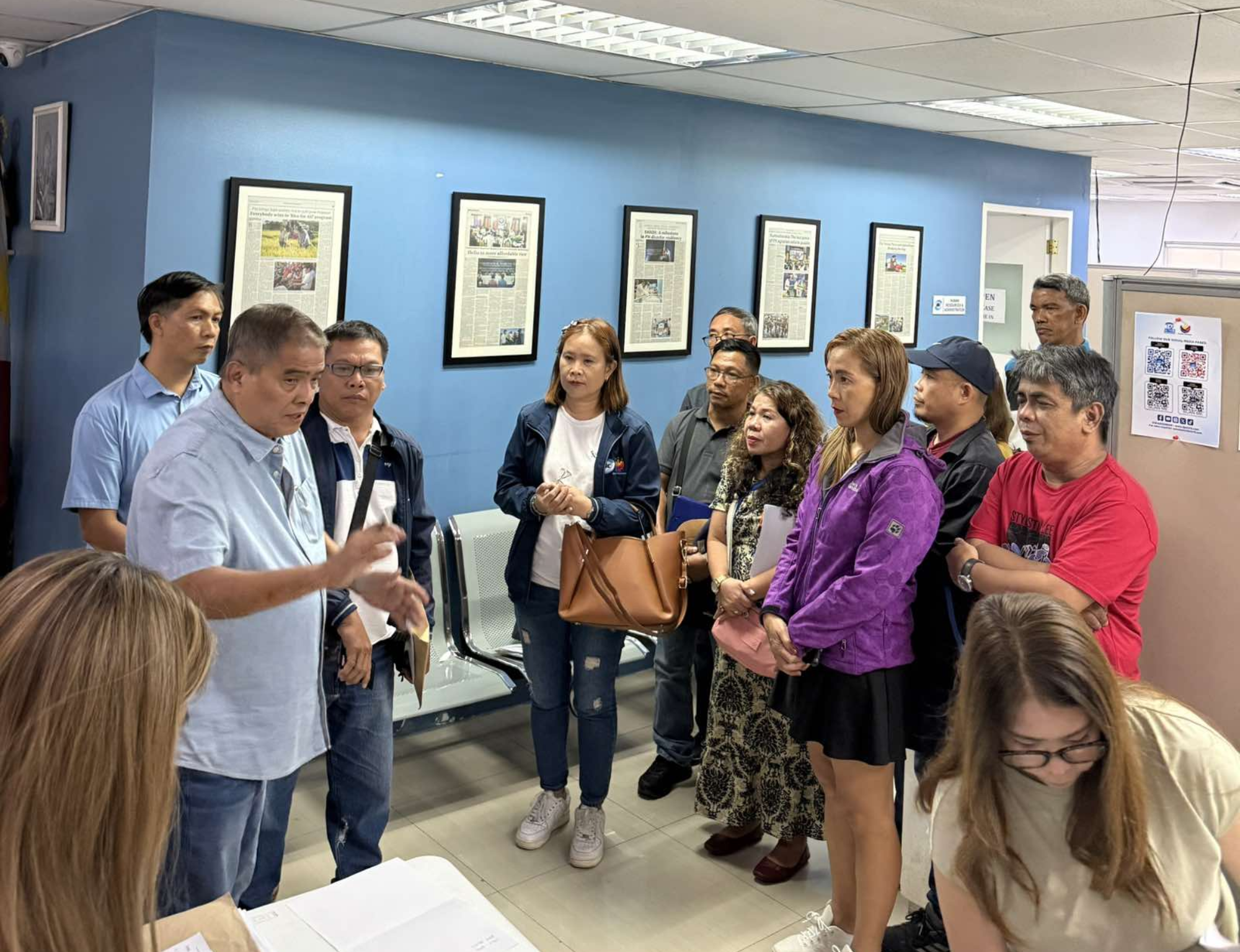
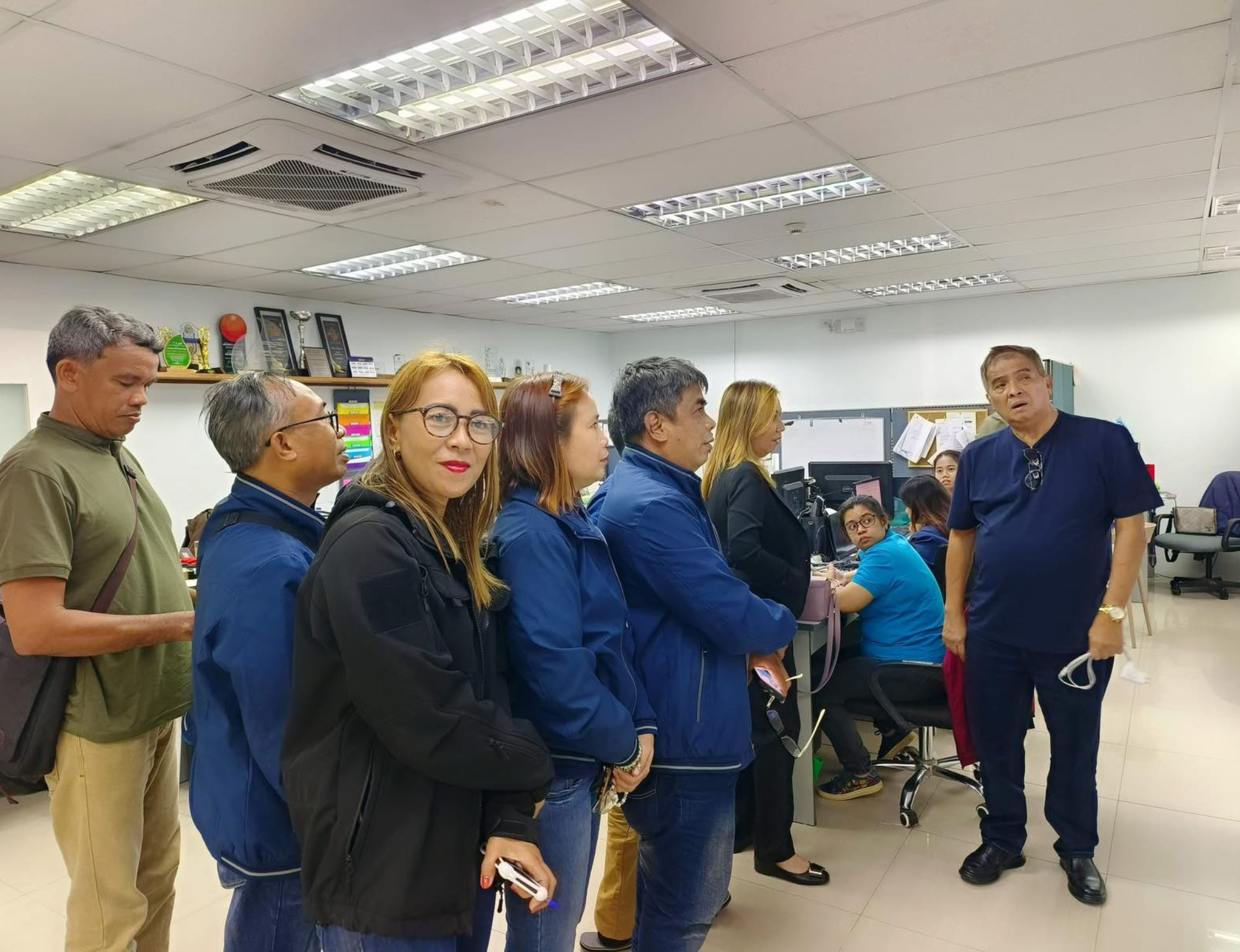
This approach doesn’t remove the usual challenges of a government-run media organization. Resources remain limited, and expectations remain high. But it does reflect an attempt to bridge the gap between leadership and staff—something easier said than done in large institutions.
More Than a Requirement
Efforts like these are often documented as part of transparency and accountability requirements. But beyond compliance, they offer a clearer picture of how an organization actually operates.
Not through major announcements, but through the accumulation of small, consistent actions.
In 2025, IBC’s story wasn’t defined by a single program or milestone. It was shaped by the quieter work in between—the kind that keeps things running, keeps people engaged, and, in its own way, keeps the institution moving forward. -PCM