




Unprogrammed Appropriations (UA) in the proposed FY 2026 national budget have been cut to P150.9 billion, the lowest level since 2019, as part of tighter fiscal discipline, the government said on Monday, January 5.
UA are standby spending authorities approved by the Congress that may only be released if specific legal conditions are met, such as the availability of excess revenues or new loan proceeds. The funds are not automatically disbursed and remain subject to strict validations.
Department of Budget and Management (DBM) Secretary Rolly Toledo said the sharp reduction reflects a clear policy shift. The UA was lowered to P150.9 billion for 2026 for a more careful and disciplined management of public funds.
Historical data show UA peaked at P807.2 billion in 2023 and P731.4 billion in 2024 before being cut to P363.4 billion in 2025.
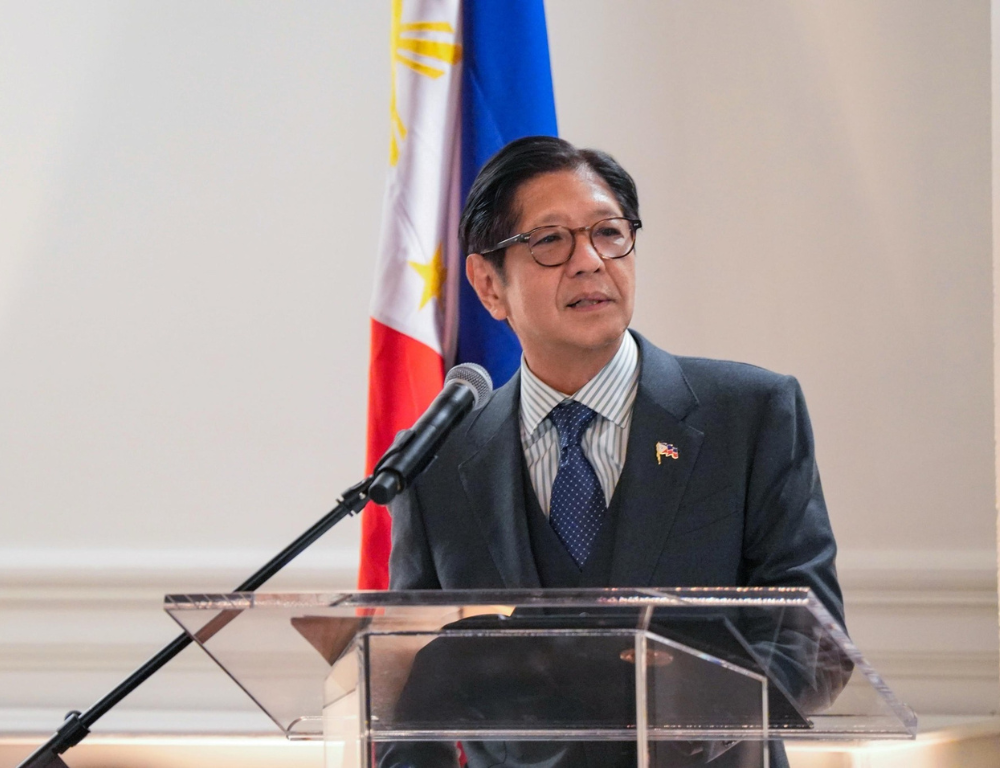
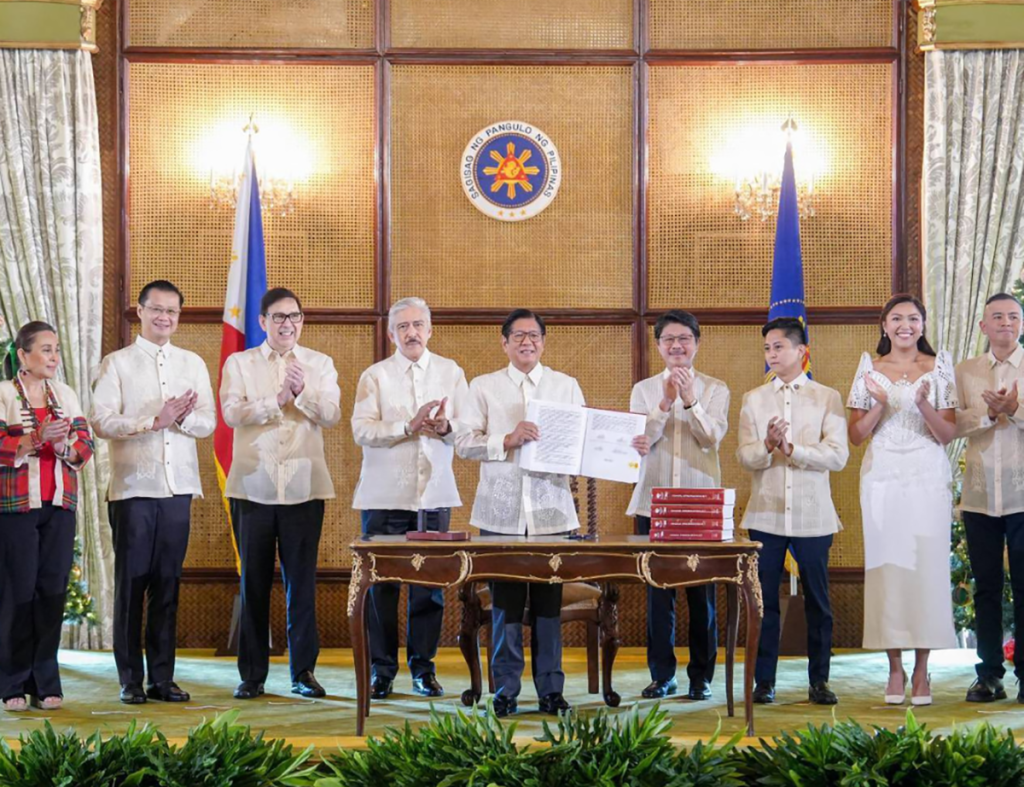
To prevent misuse, President Marcos Jr. also vetoed several UA items, including budgetary support for government-owned corporations, prior years’ local government shares, personnel services, insurance of government assets, and some counterpart funding proposals.
Toledo said the move was meant to ensure UA is not used as a “shortcut” to spending.
Some UA items were retained for contingencies that may require immediate action, including support for foreign-assisted projects awaiting loan finalization, risk management provisions, and P50 billion for the Revised AFP Modernization Program.
The DBM stressed that retained items remain subject to strict release conditions.
The government said the tighter controls will not affect regular operations, noting that the FY 2026 budget already fully funds priority programs, including salary adjustments for civilian employees and military and uniformed personnel.
Addressing criticisms that UA functions as pork, Toledo said the fund is “not a blank check” but a safety net, adding that transparency and legal compliance remain the administration’s primary safeguards. VC