




The Marcos administration has shielded the country’s poorest families from rising prices by keeping inflation low and sustaining economic growth in 2025, Malacañang said Sunday.
Data show inflation eased to 1.6 percent from January to November 2025, down from 3.4 percent in 2024, continuing a steady decline from 5.8 percent in 2022 and 6.0 percent in 2023.
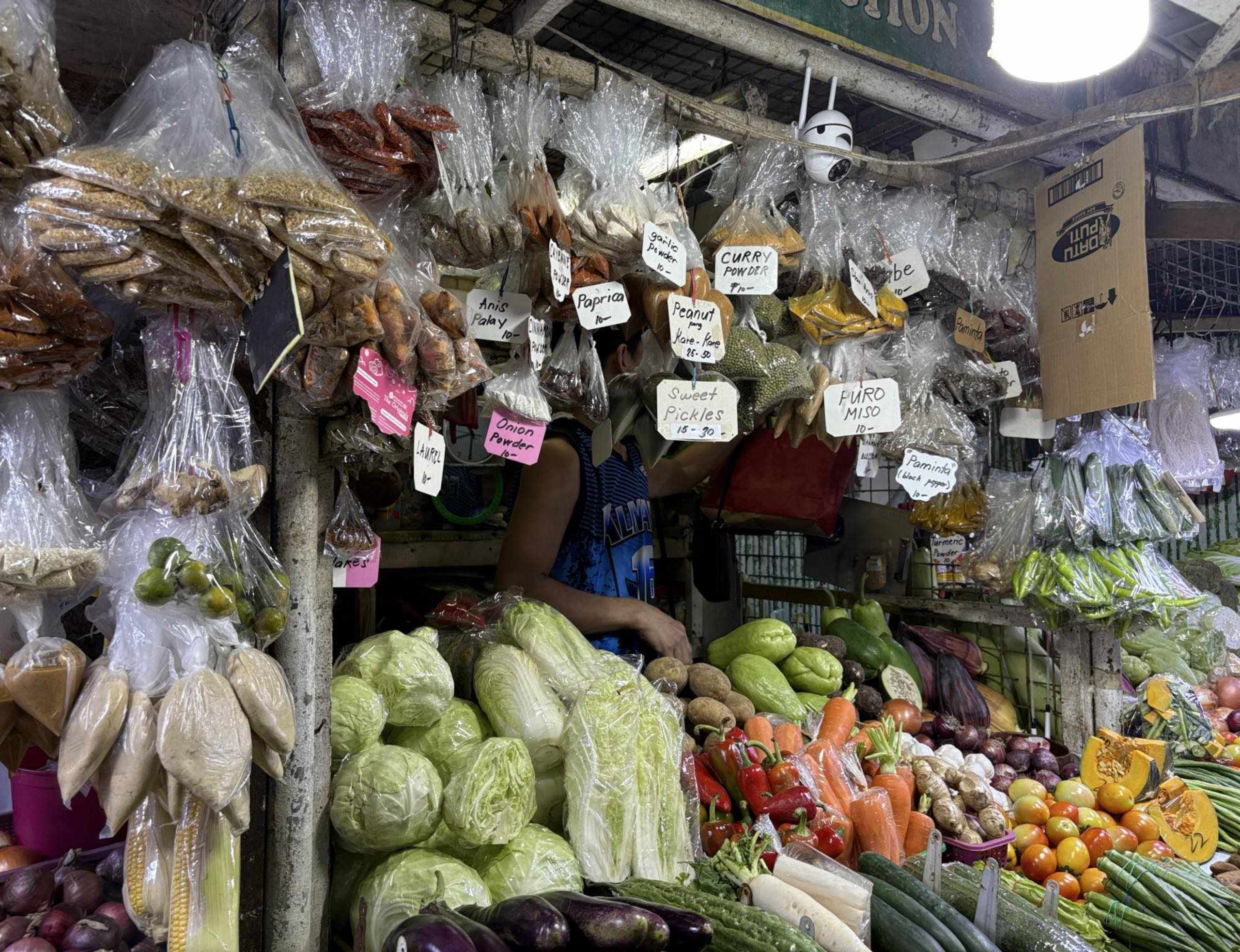
Executive Secretary Ralph Recto said the sharp slowdown in inflation reflects decisive government action to stabilize prices, secure food supply, and protect household purchasing power, particularly for rice, which accounts for the largest share of spending among low-income families.
“To put this in perspective, a 6% inflation rate means that your PHP100 can buy only about PHP94 worth of goods and services. But with inflation down to just 1.6% in 2025, that same PHP100 can now buy about PHP 98.4 worth of goods and services,” Recto said.
“Kaya napakahalaga nito para sa bawat pamilyang Pilipino, lalo na ang mga mahihirap. Kapag mababa ang inflation, napapanatili natin na abot-kaya ang mga pangunahing bilihin, lalo na ang pagkain (That’s why it’s so important for every Filipino family, especially the poor. When inflation is low, we can keep basic necessities, especially food, affordable),” he added.
Rice prices have continued to improve following President Ferdinand R. Marcos Jr.’s directive for the Department of Agriculture to bring prices down to PHP20 per kilo, roughly half the average price in 2022.
As a result, inflation for the bottom 30 percent income households fell to -0.2 percent in November 2025, marking the sixth consecutive month of contraction, underscoring the direct impact of price stabilization on vulnerable sectors.
The Philippines’ low and stable inflation environment was cited by S&P Global Ratings, which recently reaffirmed the country’s ‘BBB+’ high investment-grade rating with a Positive Outlook, signaling confidence in the government’s economic management.
Lower prices and a strong labor market are expected to boost domestic consumption, while easing inflation gives the Bangko Sentral ng Pilipinas more policy space to recalibrate interest rates in support of economic activity.
Multilateral institutions remain optimistic, with the Asian Development Bank projecting 5 percent GDP growth, and both the World Bank and International Monetary Fund seeing 5.1 percent growth for 2025.
The Philippines’ projected expansion outpaces the 1.6 percent average growth of advanced economies and the 4.2 percent average growth of ASEAN-5 countries this year.
By 2026, the IMF projects the Philippines to be the fastest-growing economy in ASEAN, tied with Vietnam at 5.6 percent.