





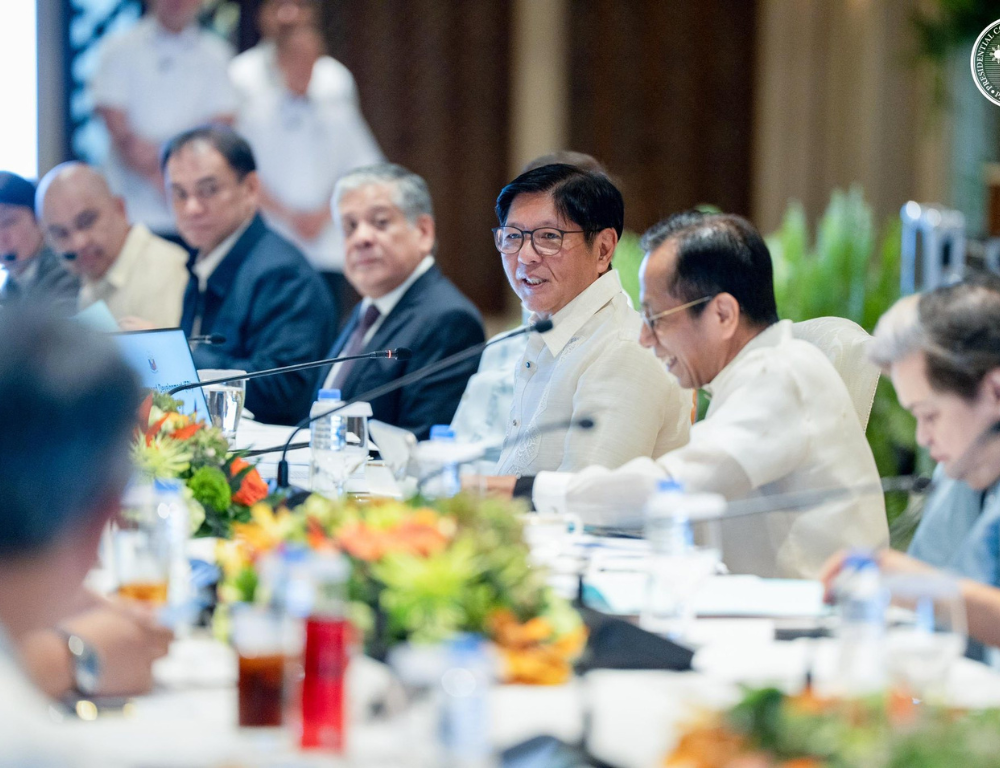
President Ferdinand R. Marcos Jr. on Monday approved the National Digital Connectivity Plan (NDCP) aimed at accelerating the rollout of fast, secure, and affordable broadband infrastructure and lower internet costs for millions of Filipinos nationwide.
Presiding over the 7th Meeting of the Economy and Development Council in Malacañan Palace, President Marcos gave his nod for the NDCP, the first of its kind in the country.
The strategic framework envisions a Digitally Connected Philippines – ensuring meaningful, inclusive, and transformative connectivity and providing accessible, affordable, high-speed, and secured digital services for all Filipinos.
The vision is operationalized through four strategic pillars. First, by strengthening governance and regulatory framework to liberalize the industry, promote competition, and lower entry barriers; second, by expanding universal access to ensure digital connectivity for geographically isolated and disadvantaged areas (GIDA).
Third, by intensifying infrastructure investment by leveraging public-private partnerships to accelerate nationwide rollout and scale; and lastly by ensuring resilient, climate- and disaster-proof, and cyber-secured digital infrastructure and assets.
During the ED Council meeting, President Marcos noted that the Philippines has been catching up with its Southeast Asian neighbors which have adopted digital connectivity as early as the last decade.
But with the availability of advanced, affordable technology, the President expressed confidence that the country will soon be at par with its regional peers in terms of connectivity, speed, and cost.
The Plan’s key 2028 targets include universal internet access for public schools, barangay halls, and health centers, a 30 to 50 percent reduction in internet costs, and an increase in the nationwide average internet speed. | PND