





The Philippine government has adopted the Philippine Action Plan for Effective Development Cooperation, marking a key step toward strengthening the quality, coordination, and results of development cooperation in the country.
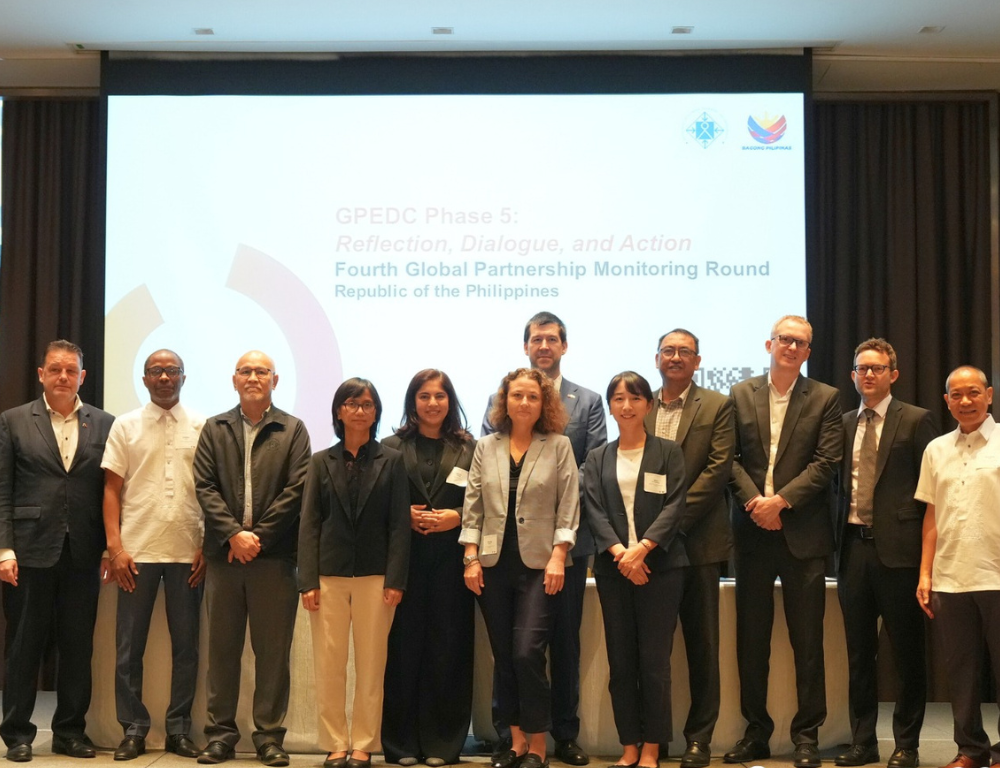
The Action Plan was adopted following a High-Level Forum held on January 20, 2026, convened to conclude the Philippines’ participation in the Fourth Monitoring Round of the Global Partnership for Effective Development Co-operation (GPEDC).
Convened by the Department of Economy, Planning, and Development (DEPDev), the Forum signaled the shift from assessment and dialogue to concrete follow-through, bringing together representatives from national government agencies, development partners, civil society organizations, trade unions, and the private sector.
Participants reviewed the country’s monitoring results and agreed on a set of practical, time-bound actions anchored on existing mandates, policies, and systems.
Established in 2011, the GPEDC is a multi-stakeholder platform that helps countries improve the quality and impact of development cooperation in support of the Sustainable Development Goals. Its monitoring exercise provides country-level and global data to inform policy dialogue, mutual learning, and accountability, guided by the principles of country ownership, a focus on results, inclusive partnerships, and transparency and mutual accountability.
The adoption of the Action Plan forms part of the Reflection, Dialogue, and Action Phase of the Philippines’ Fourth Monitoring Round, translating evidence and consultation outcomes into actionable reforms. The plan consolidates findings from the monitoring exercise and inputs from multi-sectoral consultations conducted in 2025, with agreed actions aimed at strengthening coordination, promoting the use of country systems, improving data and monitoring practices, and enhancing inclusive engagement across stakeholders.
“The proposed GPEDC Action Plan brings together areas of convergence from these consultations and translates them into a coherent set of actions, with indicative responsibilities and timelines. At its core, the Action Plan reflects a shared understanding of roles. Government provides strategic direction and alignment with national priorities. Development partners support financing, knowledge, and capacity-building in ways that reinforce country systems. Civil society and trade unions contribute to inclusion, accountability, and citizen voice. The private sector brings investment, innovation, and scale. Coordination and trust are essential to making these roles effective,” said DEPDev Secretary Arsenio M. Balisacan.
Among its priority areas, the Action Plan identifies the progressive establishment of a Development Cooperation Framework as a policy reference to guide engagement with development partners and other actors, aligned with national priorities and existing coordination platforms. It also underscores the reinforcement of national monitoring and evaluation systems and the strengthening of structured engagement with civil society organizations and the private sector through existing coordination and accountability mechanisms.
The High-Level Forum served as the consolidation point for these efforts, linking country-level monitoring results with agreed actions and situating follow-through within regular planning, budgeting, programming, and review processes. Next steps include finalizing the Action Plan based on the Forum discussions, circulating it to responsible entities for reference, and tracking progress through established monitoring and reporting channels.
“As we move into implementation, success will be measured by how well agreed actions are carried through existing policies, budgets, programs, and coordination mechanisms—and by how progress is monitored, discussed, and acted upon over time,” said Balisacan.
The finalized Action Plan will be made publicly available to support transparency and shared ownership, and will inform the Philippines’ continued engagement in the Global Partnership, including preparations for future monitoring rounds. | DEPDev